AI Agents as a Service Pricing Models: 2026 Guide: 2026 Guide (+ Templates & ROI Benchmarks)
Updated: March 2026
Pricing decides whether an AI Agents as a Service business scales profitably or stalls. This guide gives a practical framework for solo founders and small teams.
Why Pricing Strategy Matters More Than Features
In AIaaS, costs vary by usage and orchestration complexity. Fixed-only pricing compresses margins, while usage-only pricing can reduce conversion. A balanced model performs best.
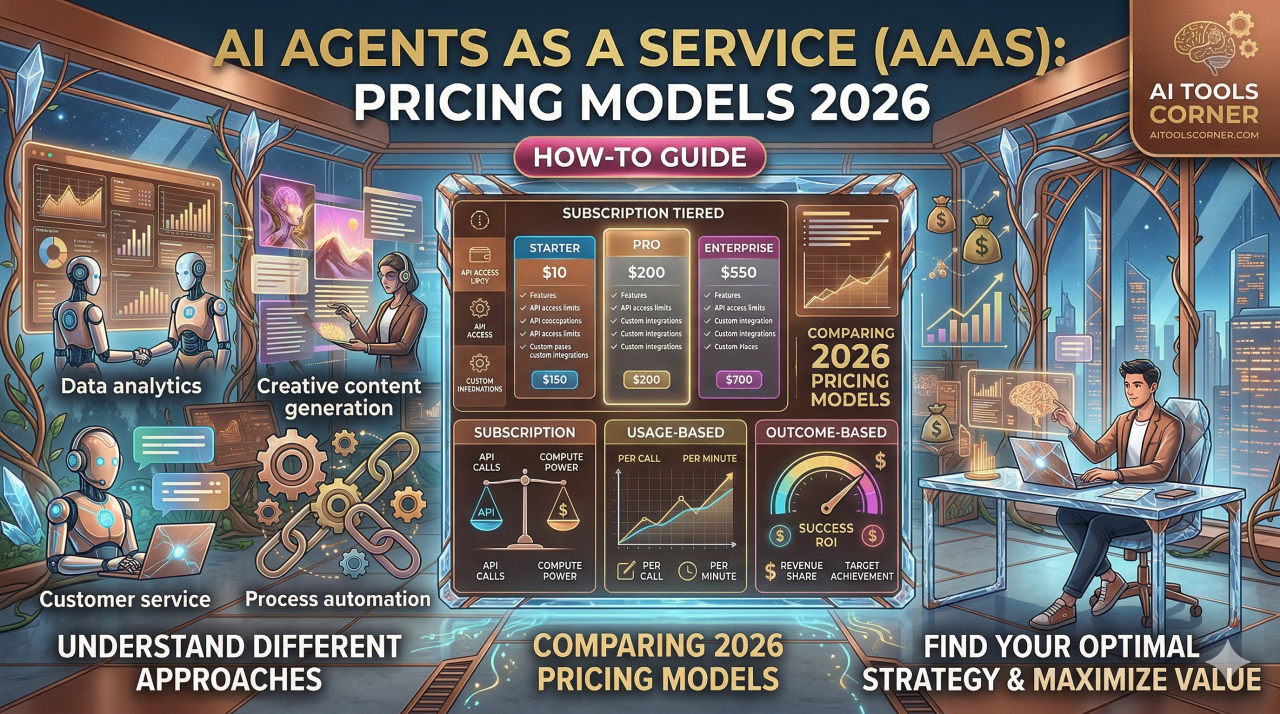
The 3-Layer Pricing Architecture
1) Base Subscription
Predictable access fee covering onboarding, support tier, and baseline orchestration.
2) Usage Metering
Bill by API actions, runtime, tokens, or workflow events.
3) Performance Component
Optional value-share where outcomes are auditable (fraud reduction, cost savings, conversion lift).
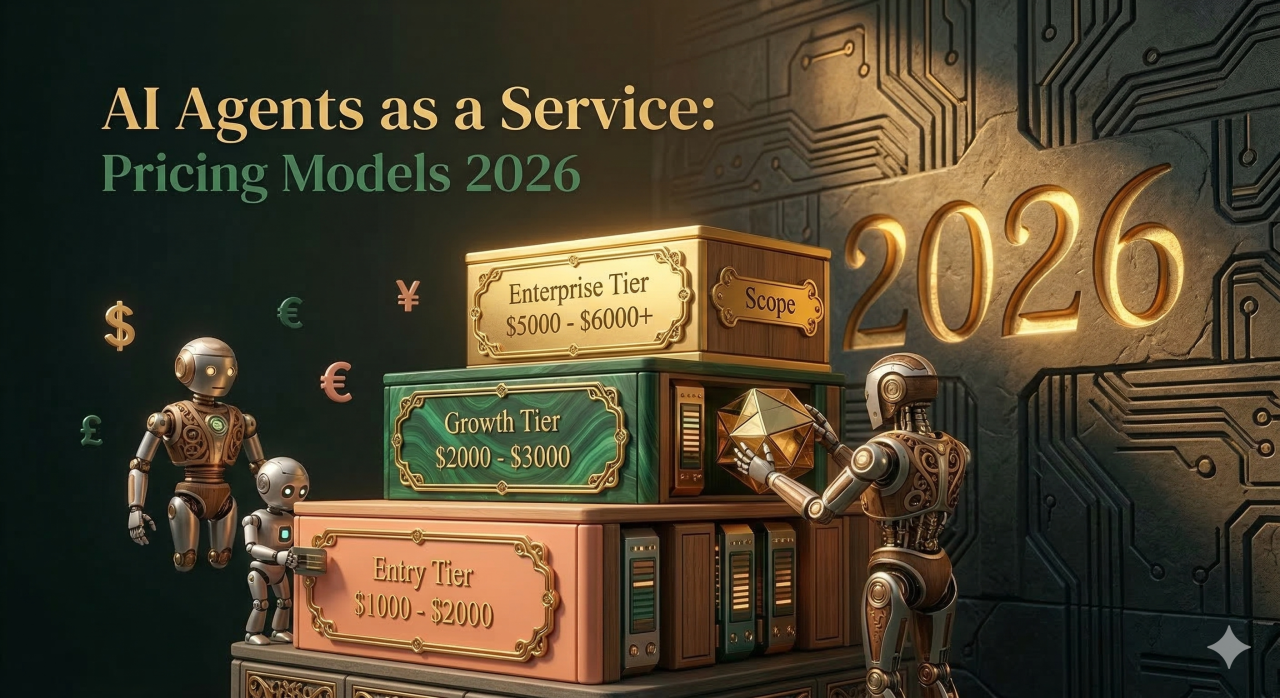
Packaging Templates
- Starter: low base + capped usage
- Growth: moderate base + overage
- Scale: higher base + SLA + volume discounts
- Enterprise: custom compliance and governance
Margin Guardrails
- Hard spend caps by workspace
- Anomaly alerts for usage spikes
- Automated downgrade/overage controls
- Quarterly pricing reviews
Negotiation Rules for Enterprise Deals
Anchor on business outcomes, not model tokens. Add contractual scope boundaries and response-time guarantees to preserve margin.
Internal Links
FAQ
Which model is best for new AIaaS providers?
Hybrid pricing (base + usage) is usually best at early stage.
When should I add performance pricing?
Only when attribution is measurable and contractually defined.