Free Multiple Face Swap Video Tools: Create Seamless Face Swaps Online (2026 Guide)

Updated: Refreshed for 2026 with clearer recommendations and latest relevance.
In recent years, artificial intelligence (AI) has revolutionized the way we create and edit content, particularly in the realm of video editing. One of the most exciting advancements is multi-face swap video AI technology, which enables users to swap faces in videos seamlessly and realistically. This technology uses machine learning and deep learning algorithms to detect faces, map them onto different subjects, and generate lifelike transformations. It's widely used in social media, entertainment, and content creation, offering endless possibilities for creativity.
The rise of free AI tools for face swaps is making this technology more accessible to a wider audience. Previously, face swapping was limited to high-budget productions or specialized software, but now, anyone can experiment with this technology without the need for expensive equipment or software licenses. Free AI face swap tools offer an easy and cost-effective way for content creators, influencers, and casual users to enhance their videos, improve engagement, and explore new creative ideas without worrying about costly subscriptions. These free tools simplify the process, making it user-friendly and accessible, even for those with little to no video editing experience.
Top Free Multi-Face Swap Video Tools
Wannafake

Features and Capabilities:
-
Multiple Face Swaps: Swap faces in both videos and images, supporting multiple faces in one video.
-
Real-Time Processing: Fast video processing for quick results.
-
High-Quality Output: Natural and high-quality face swaps.
-
Social Media Integration: Easy sharing to platforms like Instagram, TikTok, and YouTube.
-
User-Friendly Interface: Simple, intuitive controls for beginners.
Target Audience and Use Cases:
-
Social Media Influencers: Create engaging, fun content.
-
Video Editors: Enhance videos with face swaps for creative effects.
-
Content Creators & Marketers: Use face swaps for promotional or viral videos.
-
Casual Users: Fun, personal video edits for anyone interested in face swapping.
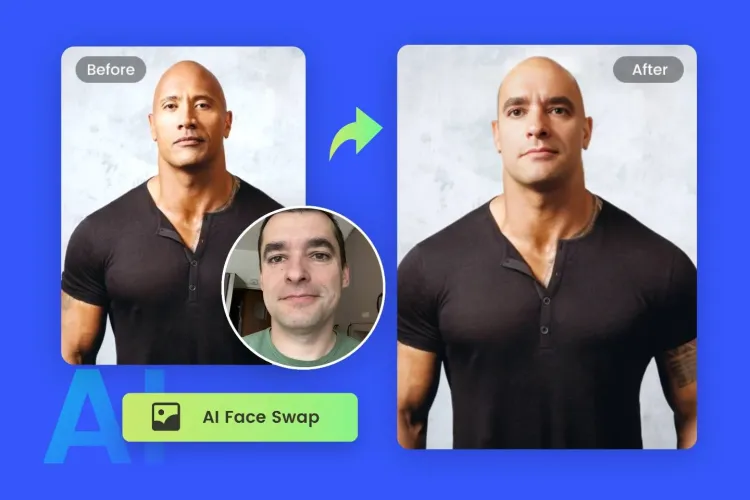
Pretend AI Face Swaps
Features and Capabilities:
-
Fast, Realistic Face Swaps: AI quickly swaps faces with high accuracy.
-
Multiple Face Detection: Swap multiple faces in a single video.
-
Custom Face Upload: Upload your own faces for personalized swaps.
-
Video and Image Support: Works with both videos and images.
-
Intuitive Interface: Easy to use with minimal learning curve.
Target Audience and Use Cases:
-
Content Creators: Add humor or creativity to social media videos.
-
Video Editors: Easily incorporate face swaps into projects.
-
Marketing Teams: Create unique promotional or viral content.
-
Casual Users: Have fun experimenting with face swaps.
Arting.Ai

Features and Capabilities:
-
AI-powered, realistic face swaps in videos and images.
-
High-quality output with detailed facial expressions.
-
Supports multiple faces in videos.
-
Custom face upload for personalized swaps.
-
Easy-to-use interface suitable for beginners.
Target Audience and Use Cases:
-
Social Media Influencers: Create viral, eye-catching content.
-
Video Editors: Effortlessly add face swaps to video projects.
-
Content Creators: Enhance videos with creative face swaps.
-
Casual Users: Fun, personal face swapping for experimentation.
Atlabs AI
Features:
-
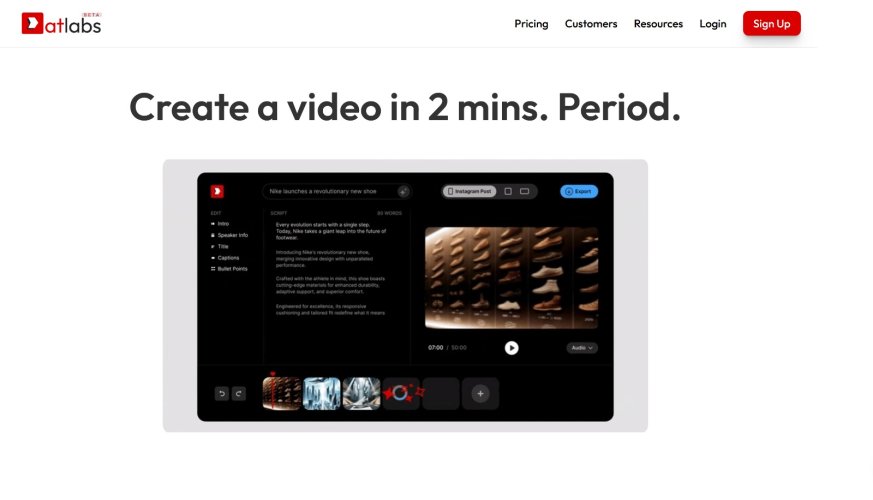
AI-powered face swaps with high accuracy.
-
Multiple face detection for videos.
-
Real-time processing with custom face upload.
-
Supports video and image face swaps.
Target Audience:
-
Content creators, marketing teams, video editors, casual users.
PixVerse AI
Features:
-
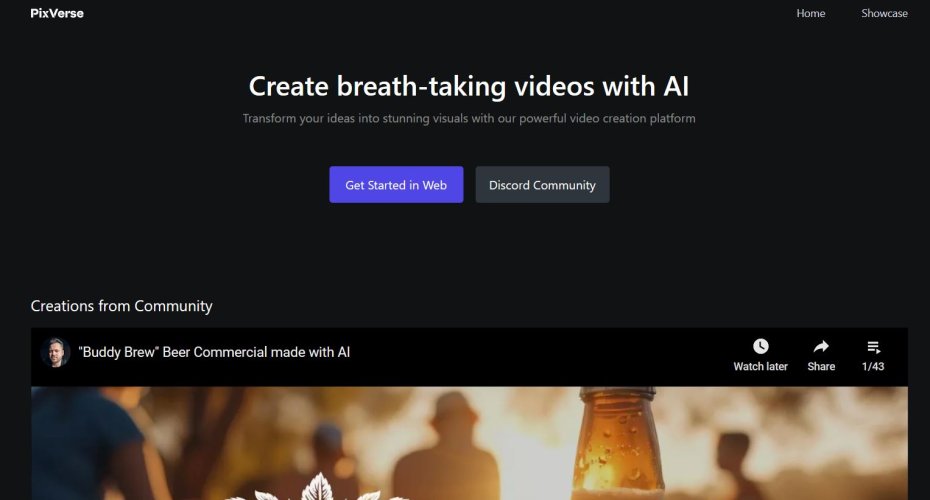
Quick, realistic AI face swaps in videos and images.
-
Multiple face swaps supported.
-
Custom face upload and fast processing.
Target Audience:
-
Social media influencers, video editors, marketers, casual users.
GliaStudio

Features:
-
Realistic face swaps with AI.
-
Supports multiple faces in videos.
-
Custom face upload and real-time editing.
-
Cross-platform integration.
Target Audience:
-
Content creators, marketers, video editors, casual users.
How to Create the Perfect Face Swap Video
Tips for Optimal Results:
-
Use High-Quality Media: Start with clear, high-resolution images or videos for better face detection and realistic swaps.
-
Ensure Proper Lighting: Good lighting enhances the accuracy of face swaps by reducing shadows and improving facial recognition.
-
Choose Compatible Faces: Select faces that have similar angles, expressions, and lighting for the best outcome.
-
Experiment with Custom Faces: Upload personalized faces to achieve more unique and creative results.
-
Test and Adjust: Preview the swap before finalizing to make sure everything looks natural, and adjust if needed.
Common Mistakes to Avoid:
-
Low-Resolution Media: Avoid using low-quality images or videos that can distort face details.
-
Incorrect Face Alignment: Ensure faces are properly aligned to maintain realistic swaps.
-
Overusing Complex Edits: Keep face swaps simple and avoid overcomplicating with too many swaps in one video.
Conclusion
Summary of Tools and Their Benefits: These free AI face swap tools—Atlabs AI, PixVerse AI, GliaStudio, and others—offer easy, quick, and realistic face-swapping capabilities for videos and images. They cater to creators, marketers, video editors, and casual users alike, providing customizable and fun options for video projects.
Final Thoughts on Exploring These Free Options: Exploring free face swap tools can greatly enhance your content creation process, offering a fun and efficient way to add creativity to your videos. By following simple tips and avoiding common mistakes, you can achieve seamless, professional-looking results without the need for expensive software.
SEO Refresh 2026: Key Improvements
- Better intent matching for search queries
- Stronger comparisons and decision help
- Improved on-page structure
Related Reads
FAQ
Why update old posts?
Freshness and improved structure can increase rankings and click-through rates.
How We Evaluated This Topic
- Reviewed practical workflow fit for real teams
- Compared quality, speed, governance, and cost signals
- Prioritized use-case alignment over hype features
Related Strategic Guides
- AI Agent as a Service Playbook
- Enterprise AIaaS Execution Guide
- GaaS Governance Framework
- AI Tools for Agentic AI
Execution CTA
Next step: select one high-impact workflow, run a 14-day pilot, and compare baseline vs post-automation quality, speed, and cost.
Comprehensive Practical Guide for Free Multiple Face Swap Video Tools: Create Seamless Face Swaps Online (2026 Guide)
This expanded section strengthens the article for search intent, user clarity, and implementation depth. Instead of only listing features, it explains how to evaluate outcomes, avoid weak tool choices, and create a repeatable execution process. Readers usually want to understand not just what a tool claims, but how it performs under real workflow conditions such as deadlines, quality standards, budget limits, and team adoption challenges.
When evaluating Free Multiple Face Swap Video Tools: Create Seamless Face Swaps Online (2026 Guide), start by defining one measurable goal before trying multiple tools at once. Typical goals include reducing turnaround time, improving output consistency, or increasing qualified traffic from organic search. Once a single goal is set, compare tools using one fixed benchmark task so quality differences are visible. This avoids random testing and helps you identify whether a tool can support production-level use rather than one-off experiments.
Evaluation Framework and Decision Criteria
A reliable evaluation framework should include six dimensions: quality, speed, control, integration, governance, and total cost. Quality means the final output is accurate, usable, and aligned with your publishing standards. Speed means the tool improves cycle time without creating additional revision overhead. Control means prompts, settings, and workflows are configurable enough for your team. Integration means the tool can connect with your existing stack such as CMS, analytics, or collaboration systems. Governance includes privacy, permissions, and content safety checks. Total cost includes subscription fees, hidden onboarding time, and quality assurance effort.
For stronger decisions, score each dimension on a simple 1-to-5 scale. Then apply weighted importance based on your business model. For example, an SEO-first content site may prioritize quality and consistency, while an agency environment may prioritize collaboration and speed. Weighted scoring prevents emotionally biased choices and gives a data-backed reason for selecting one platform over another. This method also helps when presenting recommendations to stakeholders who need clear trade-off visibility.
Implementation Roadmap (30-60-90 Day Model)
In the first 30 days, focus on baseline measurement and pilot setup. Document current workflow time, current quality pass rate, and current output volume. Then run a focused pilot with one use case only. In days 31 to 60, expand to a second use case and add standard operating procedures, QA checklists, and approval gates. In days 61 to 90, optimize performance by refining prompts, building reusable templates, and introducing dashboard tracking for outcome metrics. This phased approach minimizes risk while increasing confidence.
During rollout, define ownership clearly. One person should own prompt standards, one should own publishing quality, and one should own KPI reporting. Even small teams benefit from role clarity because it prevents bottlenecks and random process changes. If the team is solo, create a weekly review block to assess output quality and update templates. Consistent review cycles are what turn an AI-assisted process into a dependable production system.
SEO and Content Performance Recommendations
For SEO improvement, align headings to clear intent clusters: definition, comparison, implementation, pitfalls, and FAQ. Add examples with context-rich language that mirrors user queries. Include practical terms readers actually search, not only vendor slogans. Keep paragraphs concise, improve transition logic, and add internal links to related strategic guides so authority can flow between relevant pages. This strengthens topical depth and helps crawlers understand the relationship between adjacent content themes.
On-page optimization should include precise metadata, strong intro context, and semantic breadth around adjacent entities. For example, content discussing tools should also address adoption constraints, integration realities, and decision frameworks. This expands ranking opportunities across mid-tail and long-tail queries. It also increases dwell time because users find complete answers in one session rather than leaving for supplemental explanations.
Common Mistakes and How to Avoid Them
One common mistake is evaluating tools only from demo outputs. Demo conditions are optimized and often do not represent live production complexity. Another mistake is scaling too early without quality governance, which leads to inconsistent tone, factual drift, and rework. A third mistake is ignoring change management; teams need simple training and documentation to adopt new workflows confidently. Prevent these issues by running controlled pilots, maintaining QA rules, and reviewing weekly outcomes before wider rollout.
Another frequent error is tracking vanity metrics instead of business outcomes. High output volume alone is not a success metric if conversion quality declines. Focus on practical KPIs such as time saved per asset, acceptance rate after first draft, organic traffic growth for target pages, and revenue-linked conversion lift where measurable. Decision quality improves significantly when performance is tied to outcomes that matter commercially.
Action Checklist
- Define one primary objective and one benchmark task.
- Score options using quality, speed, control, integration, governance, and cost.
- Launch with a 30-day pilot before broader deployment.
- Implement QA checklists and approval gates.
- Track KPI impact weekly and refine templates continuously.
- Strengthen internal linking and semantic coverage for SEO durability.
Advanced Optimization Layer
After initial success, introduce an optimization layer that includes prompt libraries, role-based templates, and scenario-specific quality rubrics. This allows faster onboarding and more predictable outputs across contributors. Build a small repository of high-performing examples and annotate why they worked. Over time, this creates institutional memory and reduces dependency on ad-hoc experimentation.
If relevant keywords for this page include free, multiple, face, swap, video, tools, create, seamless, face, swaps, ai tools, 2026, weave them naturally into explanatory sections, comparison headings, and FAQ language without forcing repetition. Natural semantic inclusion improves discoverability while preserving readability. The objective is not keyword stuffing; the objective is clear topical authority supported by useful, implementation-ready guidance.